

Certification for educators
Add a proven mental maths programme to the children you already teach.
Get certified in an established abacus-based method for ages 5 to 14. You can be running your first class in as little as four weeks, with the curriculum, the teaching platform and ongoing support behind you.
Thirty minutes, one to one. Your questions, your setup, and what it would cost.
- 0+children taught
- 0countries
- 0+years
Built for people who already work with children
This works best if you already have children in front of you, or an audience of parents who trust you. You are adding something new to what you already do, not starting from nothing.
Tuition centres
A new subject to offer existing families, taught by staff you already employ.
Schools
Deliver it in the curriculum or as an extracurricular club. Your teachers are trained and certified.
Afterschool clubs
A structured, progressive programme that fills a slot in your timetable and gives parents a reason to book.
Private tutors
You already teach one to one. This gives you a group programme families stay with for years.
If you already have children you teach, the hardest part is behind you. The consultation is where we look at what you have to build on and how quickly you could start.
Tutoring closes gaps. This builds a skill.
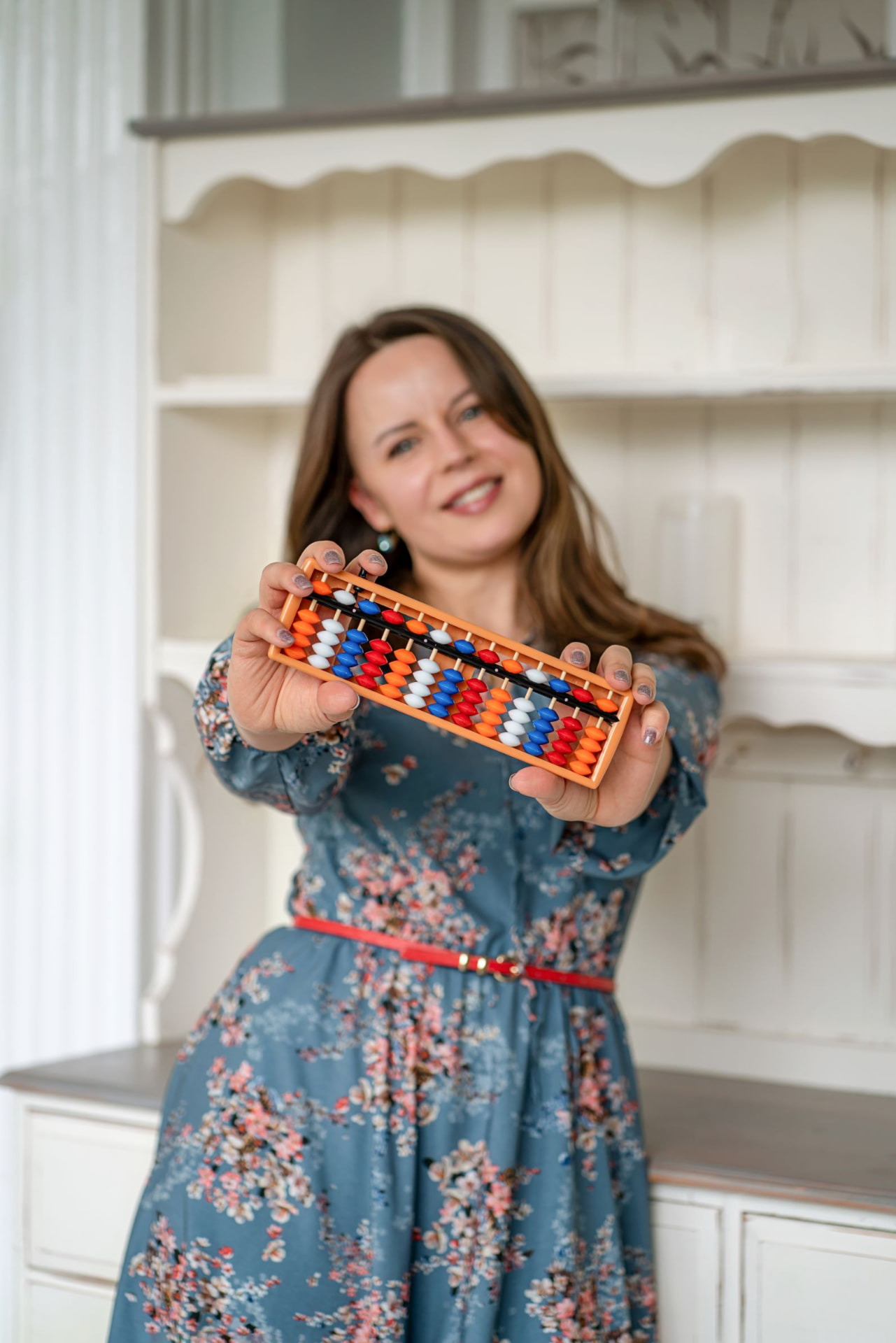
Most maths tutoring is catch-up. A child falls behind, you help them close the gap, and the work ends when they do. This is different. Children are not revisiting the school curriculum. They are learning a new skill. They start with a physical abacus, learn to visualise it, and end up calculating quickly in their heads.
The mental maths is the visible part. What sits underneath it is focus, memory, concentration, sequential thinking, logic and speed with numbers. The value goes beyond the numbers. That's what keeps parents coming back.
It runs for years, not a term
Children work up through the levels over two to three years, so families stay.
It is taught in groups
A class earns more than the same hour one to one.
It sits alongside what you already do
A new reason for families to stay with you, and something no one else locally has.
Everything you need to teach it properly
The method and curriculum
The full curriculum for ages 5 to 14, with lesson plans and homework guides.
Your training and certification
Core certification in three months, self-paced, with live weekly calls.
The teaching platform
Run classes, set homework, track practice, and manage your groups and finances.
Student certification
A certificate at every level, so children can see their progress.
The INDIGO Mental Maths Olympiad
National and international competitions, open to every student.
Tools to get and keep students
A social media course with templates, and a trial lesson process that converts.
Ongoing support
Weekly calls and direct access to us, for as long as you are teaching.
New materials, regularly
New presentations, templates and resources added as the programme develops.
A partner community
A private community of certified partners, so you always have somewhere to ask.
You will not be doing this on your own
Running your own classes can be isolating. You make every decision yourself, and when something is not working there is often nobody to ask.
Every partner joins our weekly calls and our private community on Skool, for as long as they are teaching. You bring whatever you are stuck on that week, whether it is a child who is not progressing, a parent question you did not expect, or a class that will not fill. Partners in their first term are in there alongside people who have been teaching for years, so someone has usually already solved it.
The method has been tested properly
Abacus-based mental arithmetic has been studied independently by universities including Manchester, Kyoto and Shinshu, looking at effects on calculation speed, memory and cognitive performance.
The INDIGO method itself has been tested directly. 184 primary-aged children took part in a controlled study over 36 weeks, alongside a matched control group drawn from parallel classes in the same schools.
- 68%of the INDIGO group reached the top band for visual and short-term memory, against 25% of the control group
- 70%of children showed significantly improved memory, according to the teachers taking part
- 80%of parents supported the programme becoming part of the school day
Children following the method reached the highest performance band at significantly higher rates than the control group across every measure. The largest difference was in visual and short-term memory, where 68% of the INDIGO group reached the top band against 25% of the control group.
Teachers taking part reported that memory improved significantly in 70% of the children, and that motivation to learn increased significantly in 68%. Almost 80% of parents supported the programme becoming part of the school day.
What people say
Partner
I came to INDIGO as a parent. My own children were the students, and what I saw in them was enough to make me want to teach it myself. I trained as an abacus maths trainer and spent four years teaching with INDIGO before opening my own classes.
Running my own club has not meant doing it alone. I am still in regular contact, still supported, and still very much part of the INDIGO family. That is the part I did not expect and the part I value most.
From first look to first class
Step 1
Have a look first
Read through this page, and if you can, watch the short videos in our free Skool community. Half an hour goes much further when you already have a sense of how the programme works and can bring specific questions.
Step 2
Book your private consultation
Thirty minutes, one to one. Your setup, your questions and what it would cost.
Step 3
Enrol
One price. Pay in full or spread the cost with a payment plan.
Step 4
Start your training
Three months of access. Self-paced, with live weekly calls alongside it.
Step 5
Start teaching
You do not have to wait until the end of the training. Most partners are running their first class in as little as four weeks.
FAQ
Who this works best for
- You already teach or work with children
- You have families or an audience who trust you
- You are willing to teach in groups rather than one to one
- You want something progressive rather than reactive
Start with a conversation
Half an hour, one to one, and a straight answer about whether this fits what you already do.
Looking for classes for your child? For parents